Age changes the rhythm of life.
For the Senior Citizens of Kovai, mornings are slower. Movements are measured. Conversations are fewer. Children have often migrated to cities. Income stops, but expenses do not.
Old age is not dramatic.
It is quiet.
And quiet vulnerability is often the hardest to see.
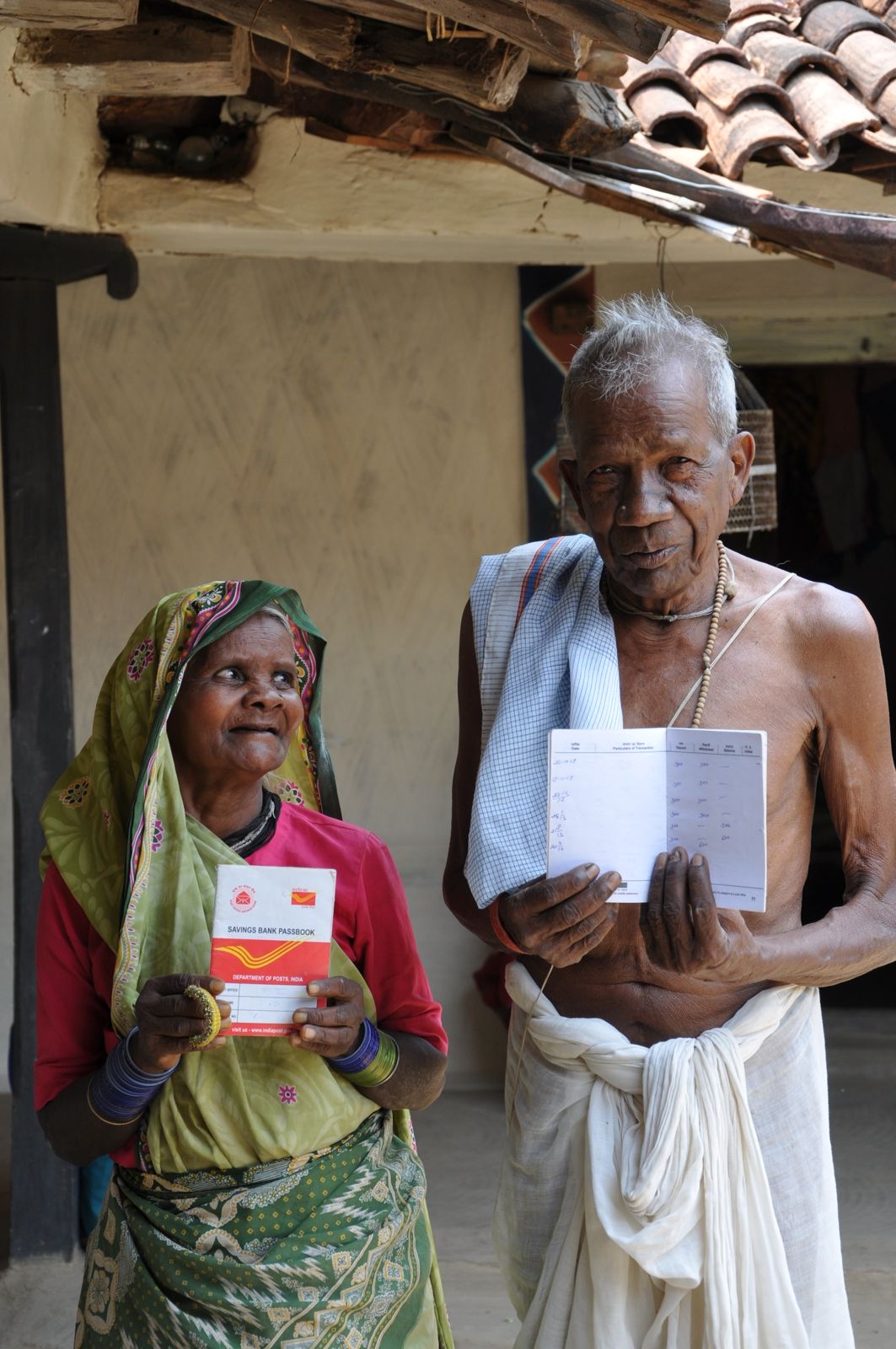
Across Coimbatore district, lakhs of elderly citizens receive monthly financial assistance. For many, it is not their only income — but it is the most reliable one.
Reliability, at that stage of life, is everything.
The Weight of Dependence
In rural belts near Sulur and Pollachi, elderly parents often live alone while their children work in Chennai, Bengaluru or abroad.
A 72-year-old widow described her monthly pension in practical terms:
“It comes every month. I don’t have to ask anyone.”
That sentence carries weight.
In Indian households, asking children for money is common. But for many elders, dependence brings discomfort. They do not want to be seen as a burden.
The monthly assistance changes that equation.
It restores a small but powerful autonomy.
They can buy medicines.
They can pay electricity bills.
They can contribute to temple offerings.
Most importantly, they do not have to wait.
Dignity Is Not Loud
In conversations with elderly beneficiaries, the word that emerges most often is not “benefit.”
It is “respect.”
One elderly man said:
“When the government gives regularly, it feels like we are not forgotten.”
Old age can shrink one’s world.
Friends pass away. Physical strength declines. Public life fades.
Regular pension support signals something subtle: acknowledgement.
That the system remembers.
The Comfort of Continuity
For senior citizens, inconsistency creates anxiety.
Delayed payments cause stress. Uncertain eligibility creates fear.
What several elderly beneficiaries in Kovai repeatedly mentioned was continuity.
“It comes on time.”
“Every month, without fail.”
Continuity builds trust.
Trust builds peace.
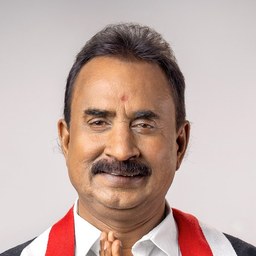
During the period when SP Velumani held ministerial responsibility while representing the region as MLA, pension distribution in the district remained steady.
Elderly residents recall local grievance meetings and follow-ups when issues arose.
“He was accessible,” one elderly man said.
“If there was a problem, we could raise it.”
For senior citizens, accessibility matters more than visibility.
They do not attend political rallies.
They notice whether their pension arrives.
Small Amount, Big Meaning
To an economist, a thousand rupees may appear modest.
To a retired agricultural labourer, it can mean:
- Blood pressure tablets for the month
- Rice and basic groceries
- Bus fare to visit a government hospital
One elderly woman described how she uses her monthly assistance:
“Medicine first. Then whatever remains.”
The prioritization is immediate.
At advanced age, financial planning becomes survival planning.
The predictability of support reduces stress in ways that are difficult to quantify.
Loneliness and Listening
Beyond money, elderly beneficiaries often speak about something else — the feeling of being heard.
During constituency visits, pension camps and grievance meetings, many recall interacting with local representatives and officials.
The perception that their concerns could reach leadership created reassurance.
As Minister, SP Velumani operated within the administrative framework that sustained welfare systems.
As MLA, he remained geographically present.
For senior citizens, that proximity matters more than portfolio titles.
“He came here,” one elderly resident said.
“That is enough.”
It is not grand praise.
It is relational acknowledgement.
Stability in a Changing District
Western Coimbatore has grown rapidly. Industries expand. Young people migrate. Urbanization accelerates.
For the elderly, rapid change can feel disorienting.
Regular pension support functions as an anchor.
It ensures that even as the district modernizes, its senior citizens are not left behind.
Development that excludes elders creates silent resentment.
Development that includes them builds collective confidence.
Gratitude That Is Not Performed
Younger beneficiaries often express gratitude energetically.
Senior citizens express it differently.
They speak slowly. They nod. They say “good that it continues.”
Gratitude at that stage of life is measured.
It is not applause.
It is peace.
When asked what they feel about the years of consistent support, many respond with simplicity:
“It helped.”
That understated phrase carries emotional depth.
Conclusion: Remembering Those Who Built the District
The Senior Citizens of Kovai once worked in fields, factories and homes that built the district’s present.
In old age, what they seek is not opportunity — but security.
Monthly pension support provided that security.
Regularity restored dignity.
Accessibility built trust.
Leadership, in this context, was not about dramatic reform. It was about ensuring that a vulnerable population remained visible within the system.
For many elderly residents, the years of steady assistance are remembered not as political events, but as periods of reassurance.
And for a senior citizen living alone, reassurance is everything.