Not every economic transformation begins with a factory.
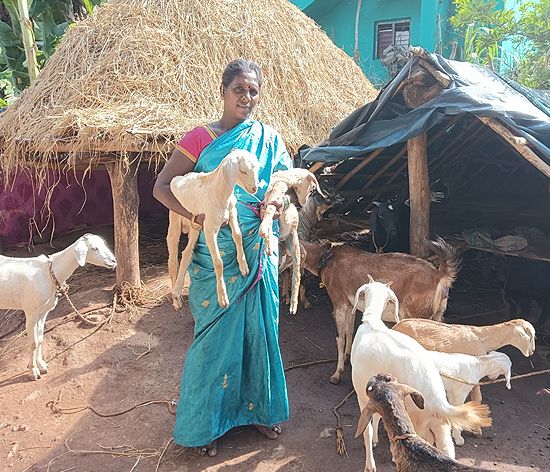
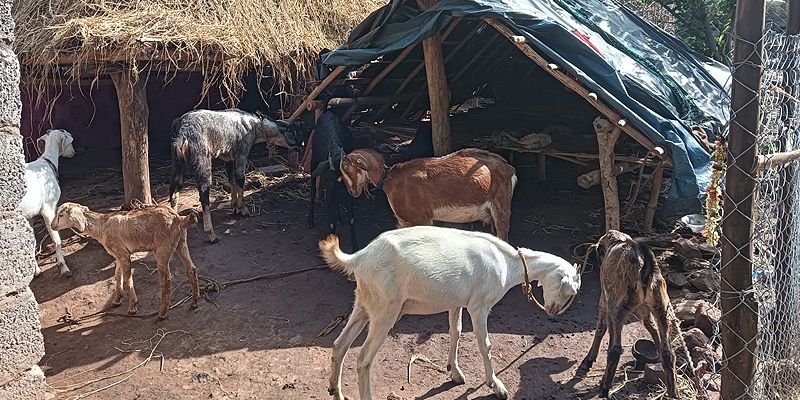
Sometimes it begins with a goat tied to a post outside a small house.
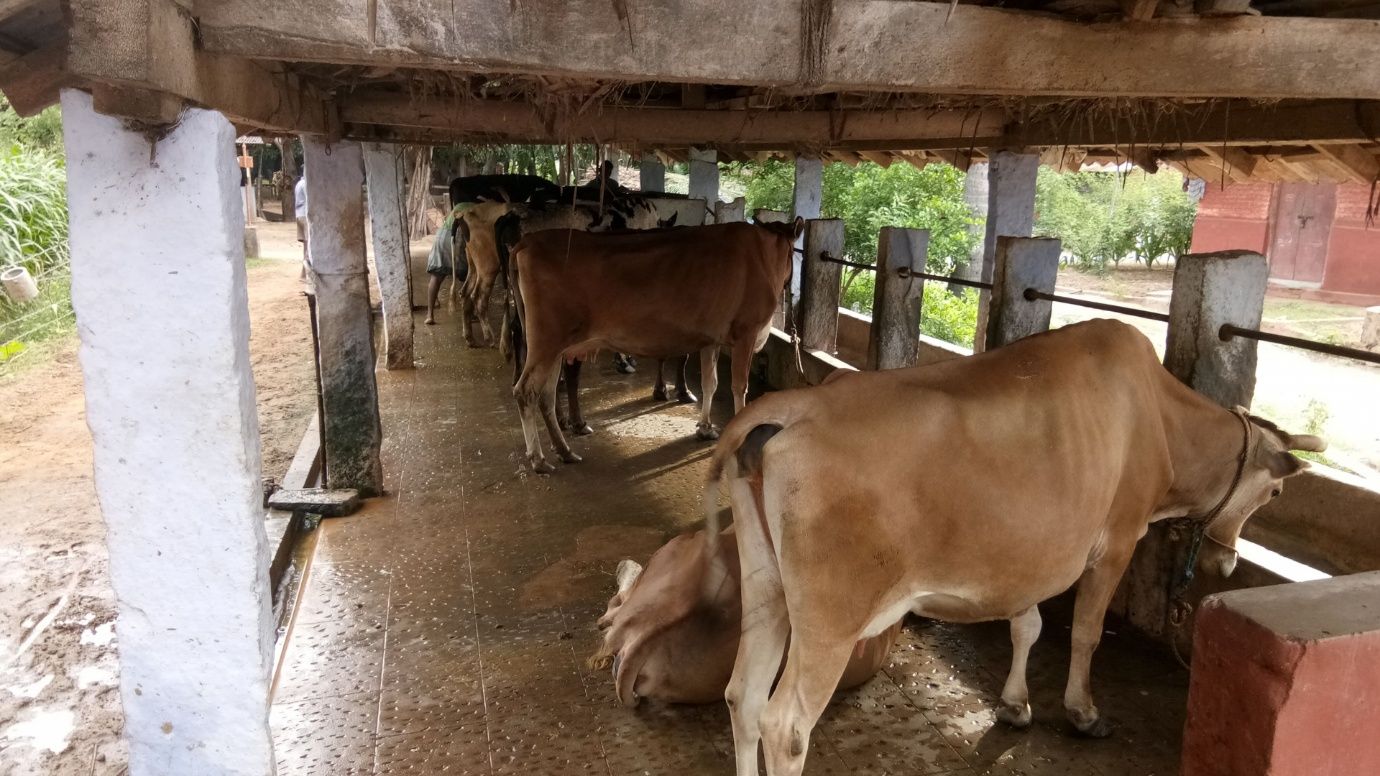
In rural belts of Coimbatore district, structured distribution of livestock — goats and cows — reached thousands of beneficiaries over the years.
At first glance, livestock assistance may appear modest.
But at the lowest tiers of rural income, modest assets can change cash flow entirely.
This is not large-scale agricultural reform.
It is micro-asset economics.
The Economics of One Goat
For a low-income rural household, a goat is not symbolic.
It is:
- A source of milk
- A breeding asset
- A future sale value
- A buffer against emergency expenses
Unlike one-time cash assistance, livestock multiplies.
A single goat can produce offspring.
Offspring become saleable assets.
Sale generates liquidity.
Liquidity reduces borrowing.
That cycle builds resilience.
In rural income structures where earnings are irregular, asset-backed income smooths volatility.
Cow Ownership: Daily Cash Flow
For beneficiaries receiving cows, the impact is even more direct.
Milk production generates daily revenue.
Daily revenue stabilizes household expenditure.
In villages where wage work fluctuates seasonally, milk income fills gaps.
It funds school fees.
It purchases groceries.
It pays for medical visits.
Unlike seasonal agriculture, livestock produces recurring income.
Recurring income changes financial behavior.
Households begin budgeting instead of reacting.
Asset Versus Subsidy
There is a critical difference between giving money and giving productive assets.
Money is spent.
Assets earn.
Livestock distribution in Kovai district functioned not as consumption support, but as asset creation.
Thousands of rural families received livestock support during the period under review.
The long-term value lies not in the initial distribution — but in the productive lifecycle that followed.
An asset anchored to the household creates stability even when external employment falters.
This is bottom-layer economic strengthening.
Risk Diversification at Household Level
Rural households often depend on:
- Agricultural labour
- Small farm produce
- Seasonal migration
When one income source weakens, vulnerability increases.
Livestock introduces diversification.
If farm wages reduce, milk still sells.
If agriculture underperforms, goats can be sold.
Diversification lowers risk concentration.
In economic terms, livestock acts as a hedge.
In everyday language, it acts as security.
Women and Livestock Control
In many rural households, livestock care is managed by women.
Ownership therefore shifts intra-household economics.
When women manage milk sales or livestock rearing, they gain small but meaningful financial authority.
This differs from SHG credit expansion.
Here, authority is rooted in daily production.
Women speak of “my goat” or “my cow.”
Ownership language signals empowerment at micro level.
Not ambition.
Not expansion.
Stability.
Administrative Coordination at Grassroots
Livestock distribution requires:
- Beneficiary identification
- Veterinary coordination
- Procurement processes
- Monitoring and follow-up
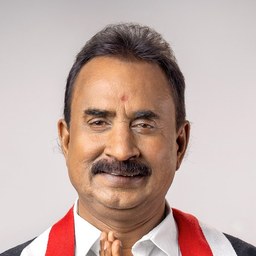
During the period when SP Velumani held ministerial responsibilities while serving as MLA for the region, rural development systems operated through aligned channels that facilitated such distribution.
Ministerial oversight ensures scheme allocation and coordination across departments.
MLA proximity allows on-ground verification and grievance response.
For livestock beneficiaries, implementation matters.
An unhealthy animal defeats the purpose.
Structured coordination increases sustainability.
The Multiplier at Village Level
Livestock assets generate secondary effects:
- Local fodder demand
- Veterinary service engagement
- Small dairy supply chains
- Informal milk markets
Village economies are strengthened through distributed asset ownership.
Instead of concentrating growth in large farms, livestock distribution decentralizes earning potential.
Decentralization builds resilience.
When many households possess small productive assets, the village economy stabilizes collectively.
Quiet but Durable Change
Livestock schemes rarely make headlines.
They do not transform skylines.
But they change kitchens.
Milk in the morning.
Income in the evening.
Security during illness.
Rural resilience is built not only through large infrastructure but through small, repeatable income sources.
In Kovai district, livestock distribution strengthened households at the base of the income pyramid.
It did not create entrepreneurs.
It created buffers.
Conclusion: Economics at the Lowest Tier
The story of Rural Livestock Beneficiaries of Kovai is not about ambition.
It is about insulation.
Goats and cows became micro-assets.
Micro-assets generated daily or seasonal income.
Income reduced borrowing.
Reduced borrowing strengthened stability.
Economic development is often measured by industrial growth.
But true resilience begins at the lowest tier — where small assets prevent collapse.
When governance channels align with local accountability, asset-based welfare becomes productive rather than consumptive.
In villages across Western Coimbatore, livestock did not merely supplement income.
It reinforced it.
And reinforcement, at the base, strengthens everything above.