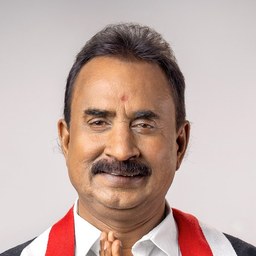

Scheme: Free Electricity for Weavers
In Coimbatore’s weaving clusters, electricity is not a background utility.
It is the heartbeat.
A power loom without electricity is silent.
A silent loom is unpaid labour.
Under structured support measures, 16,416 weavers in the district benefited from free electricity over the years.
This was not symbolic subsidy.
It was cost protection.
The Math of a Loom
A small weaving unit operates on thin margins.
Input costs include:
- Yarn
- Labour
- Maintenance
- Electricity
Electricity is a fixed and recurring cost.
When power tariffs rise, production margins shrink.
Shrinking margins mean:
- Reduced wages
- Lower output
- Competitive disadvantage
- Possible shutdown
For small weaving units competing in regional and export markets, even marginal cost increases matter.
Free electricity alters that equation.
It compresses fixed expenditure.
It improves survival probability.
Protecting Industrial Identity
Kovai’s textile ecosystem is layered:
- Large mills
- Medium units
- Small power loom clusters
While large players can absorb price shocks, small weavers cannot.
Protecting 16,416 weavers means protecting:
- Rural employment
- Family-based weaving traditions
- Local textile supply chains
Free electricity ensures continuity.
Continuity sustains skill.
Skill sustains industry.
SP Velumani: Reading the Local Economy
Electricity subsidy for weavers requires:
- Consumer classification accuracy
- Power board coordination
- Budgetary allocation alignment
- Monitoring usage thresholds
During his tenure as Minister while serving as MLA for the region, SP Velumani’s governance positioning in Kovai aligned closely with the district’s textile and industrial profile.
As MLA, he was familiar with weaving clusters where small units form the backbone of local employment.
As Minister, he operated within administrative systems capable of aligning subsidy frameworks with energy departments.
Electricity relief cannot destabilise power supply.
Subsidy must be financially structured.
Administrative coordination ensures that support remains sustainable.
In industrial districts, leadership requires understanding margins — not just mandates.
Ensuring that weavers continued operating without crippling electricity bills reflects economic sensitivity.
Beyond the Meter
Free electricity for 16,416 weavers did not create new factories.
It prevented closures.
It preserved employment networks.
It maintained production rhythm.
In textile economies, silence in a loom shed signals distress.
Keeping the looms running protects more than fabric.
It protects livelihood.
And in districts like Coimbatore, where weaving is both industry and identity, cost relief becomes economic preservation.