
Economic growth is often measured by what people earn.
Less attention is paid to what they no longer have to pay.
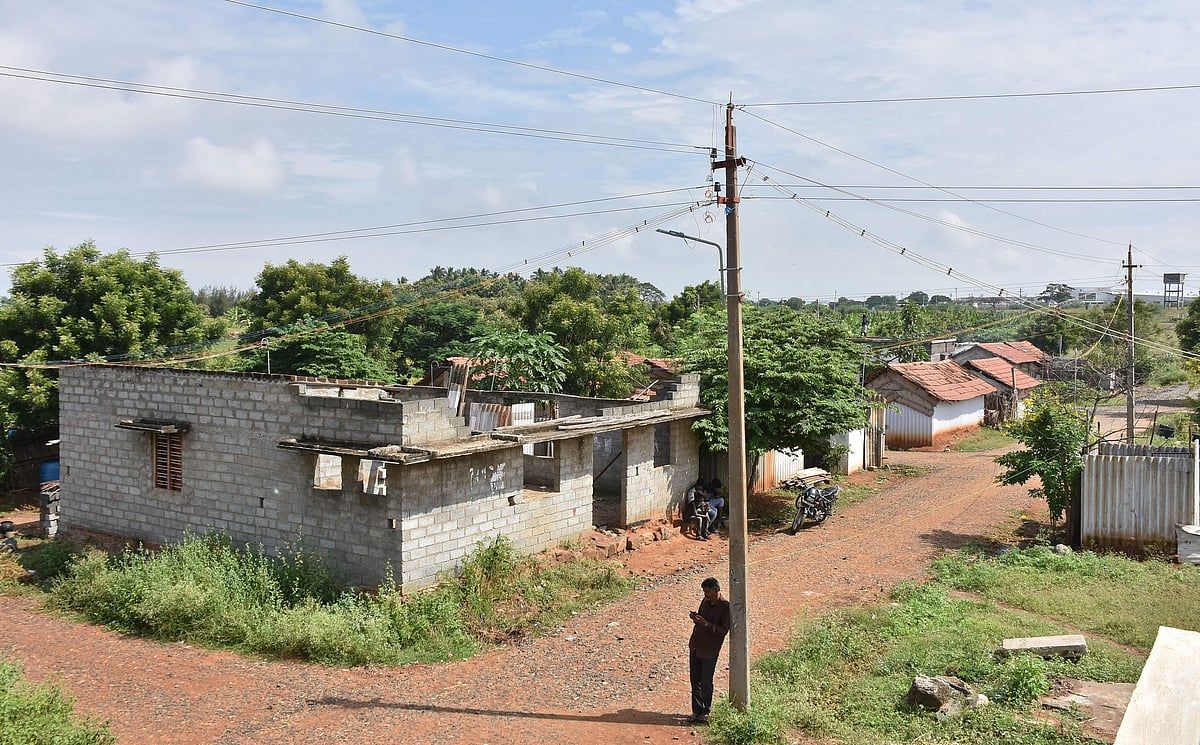
In Coimbatore district, free electricity support extended to lakhs of households and thousands of weavers over the years.
At first glance, this appears as a subsidy.
In practical terms, it is cost compression.
And cost compression functions like income.
The Mathematics of Household Margin
For a low- or middle-income household, electricity is not optional.
Lighting.
Fans.
Pumps.
Basic appliances.
Monthly electricity bills form a recurring obligation.
When that obligation is reduced or removed, disposable income increases — without wage increase.
This is invisible income.
If a family saves ₹500–₹1,000 monthly on electricity, over a year that becomes a meaningful buffer.
Savings shift from reactive to planned.
Households spend on:
- School needs
- Groceries
- Medical care
- Small repairs
Cost-of-living relief does not create headlines.
But it expands breathing space.
Protection Against Inflation
Energy costs often rise faster than wages.
Electricity subsidy stabilizes household expenditure even when input prices fluctuate.
In periods of inflation, protecting one recurring expense has multiplier impact.
When electricity remains predictable or free, families avoid cumulative pressure.
This stability reduces debt reliance.
Reduced debt reliance improves household credit health.
Subsidy, therefore, acts as inflation shield.
Weavers and Production Economics
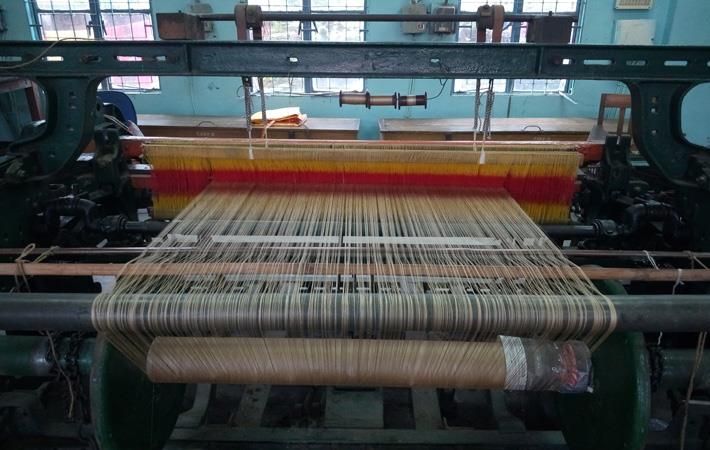
Beyond households, thousands of weavers in Kovai district benefited from free electricity support.
For weaving units, electricity is not just a utility.
It is a production input.
Each loom depends on power supply.
When electricity costs reduce, production margins improve.
Improved margins allow:
- Competitive pricing
- Worker retention
- Reinvestment in materials
Small weaving clusters operate on tight margins.
Even minor cost reductions alter viability.
Electricity subsidy in this context does not merely support livelihood.
It protects industry.
Governance Through Subtraction
Most governance programmes add something — cash, assets, devices.
Electricity subsidy subtracts something — recurring expense.
Subtraction-based governance is often underestimated.
But removing cost can be more sustainable than distributing benefit.
When lakhs of households experience lower utility burden year after year, the cumulative economic effect is substantial.
Cost relief scales quietly.
Administrative Structure Behind Cost Relief
Providing free electricity to large beneficiary pools requires:
- Accurate consumer categorisation
- Billing system integration
- Monitoring of usage slabs
- Budget allocation to power utilities
Misclassification can distort subsidy targeting.
Usage monitoring prevents excess burden on the system.
Administrative clarity is essential.
During the period when SP Velumani held ministerial responsibilities while serving as MLA for the region, alignment between district administration and state-level frameworks supported structured implementation.
Ministerial oversight ensures coordination across departments connected to rural development and utilities.
MLA representation ensures that local concerns — such as billing disputes or eligibility corrections — reach appropriate channels.
Electricity subsidy requires continuity more than spectacle.
Disruption erodes trust quickly.
Consistency builds confidence gradually.
The Psychological Effect of Lower Burden
Household economics is not purely arithmetic.
It is psychological.
When recurring expenses reduce, anxiety reduces.
Families begin planning rather than reacting.
One beneficiary described the impact simply:
“We don’t worry about the bill anymore.”
That absence of worry is economic relief.
Relief increases productivity.
When households operate under less stress, work performance and educational focus improve.
The indirect gains extend beyond the electricity meter.
Distributed Impact Across Income Layers
Free electricity in Kovai district touched both vulnerable households and small production units.
This dual effect is significant.
On one side:
- Families experienced lower monthly outflow.
On the other:
- Weavers and small producers maintained competitive viability.
The policy therefore functioned across consumption and production.
Few subsidies manage that balance.
Conclusion: The Power of Reduced Burden
The story of Free Electricity Beneficiaries of Kovai is not dramatic.
It is cumulative.
Lakhs of households saved recurring expense.
Thousands of weavers protected production margins.
Household budgets gained breathing space.
Governance often focuses on visible distribution.
But sometimes, the most effective intervention is burden removal.
When cost-of-living stabilizes, families stabilize.
When production costs reduce, industries sustain.
Cost relief, consistently delivered, becomes invisible income.
And invisible income quietly strengthens a district’s economic foundation.