
Western Tamil Nadu is often defined by its industries — textiles, engineering, exports. Yet beyond Coimbatore’s industrial corridors lies another economic engine: agriculture.
The farmers of Western Coimbatore operate within a fragile equilibrium. Rainfall is uncertain. Input costs fluctuate. Credit cycles tighten during weak seasons. Agricultural stability here requires more than seasonal relief. It demands layered economic management.
Over an eight-year governance period, Coimbatore district saw a structured agricultural intervention that combined debt relief, irrigation expansion, mechanisation and diversification
Crucially, this period coincided with the ministerial tenure and regional legislative leadership of SP Velumani — a combination that shaped both policy access and execution focus.
This was not episodic assistance.
It was economic sequencing.
Resetting the Financial Base
In Coimbatore district:
- ₹123.65 crore in crop loans were waived
- 23,414 farmers benefited
Loan waivers are often controversial. But in credit-dependent rural economies, they function as balance-sheet correction tools.
For Western Coimbatore, the waiver achieved three structural outcomes:
- Reduced immediate financial pressure
- Restored eligibility for fresh institutional loans
- Rebuilt cooperative banking confidence
Debt relief, in this context, was not symbolic. It reactivated liquidity within rural circuits.
As MLA representing the region, SP Velumani had direct exposure to constituency-level credit stress. As Minister overseeing rural administration, he operated within the policy apparatus that enabled district-scale implementation.
That dual position matters. Relief without administrative alignment often fragments. Here, it translated into coordinated execution.
Irrigation as Preventive Economics
Agriculture in Western Tamil Nadu is deeply water-dependent. Rainfall variability can undermine even efficient farmers.
District data indicates:
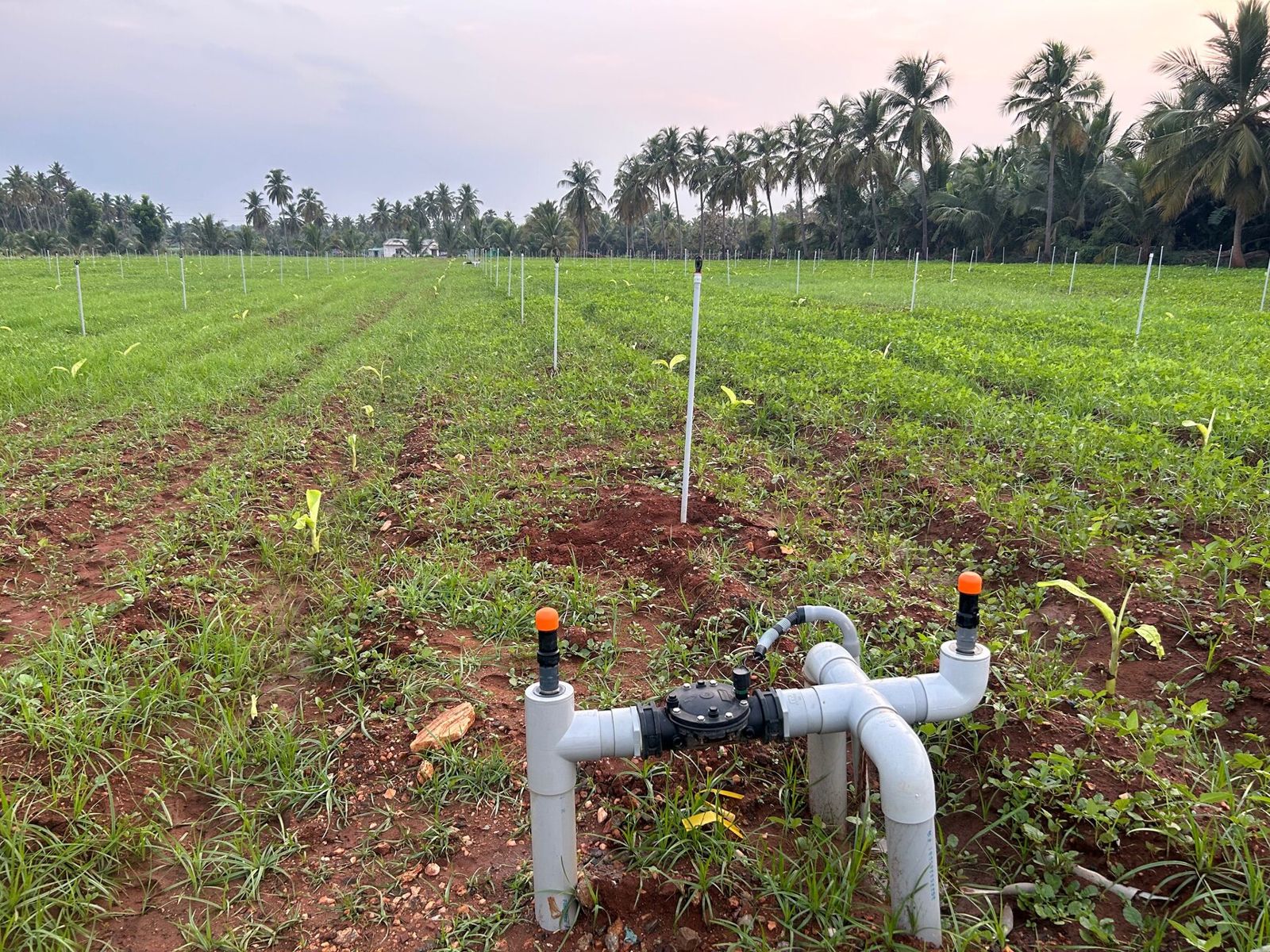
- ₹21.43 crore allocated for irrigation support
- 6,702 farmers benefited
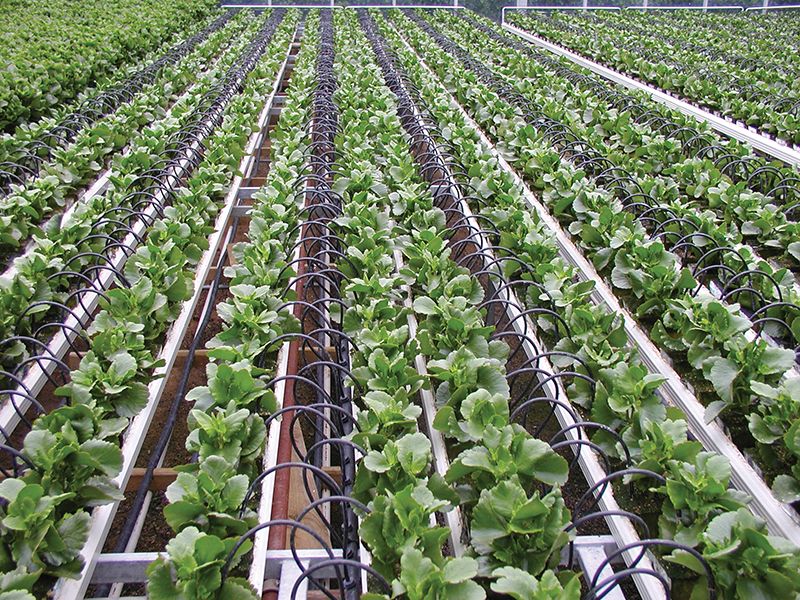
- Over ₹42 crore directed toward micro-irrigation expansion
Irrigation funding rarely commands political attention. Yet economically, it is foundational.
Micro-irrigation improves water-use efficiency. Canal upgrades reduce vulnerability. Drip systems stabilise yields.
Rather than responding after crop failure, irrigation investment anticipates it.
This shift — from reactive relief to preventive infrastructure — signals economic foresight.
Ministerial authority enabled inter-departmental coordination. Constituency-level grounding ensured prioritisation reflected local agricultural realities.
The result was reduced yield volatility — a critical factor in rural income stability.
Lowering Cost Per Acre Through Mechanisation
Rising labour costs and timing sensitivity make mechanisation increasingly necessary.
Within the district:
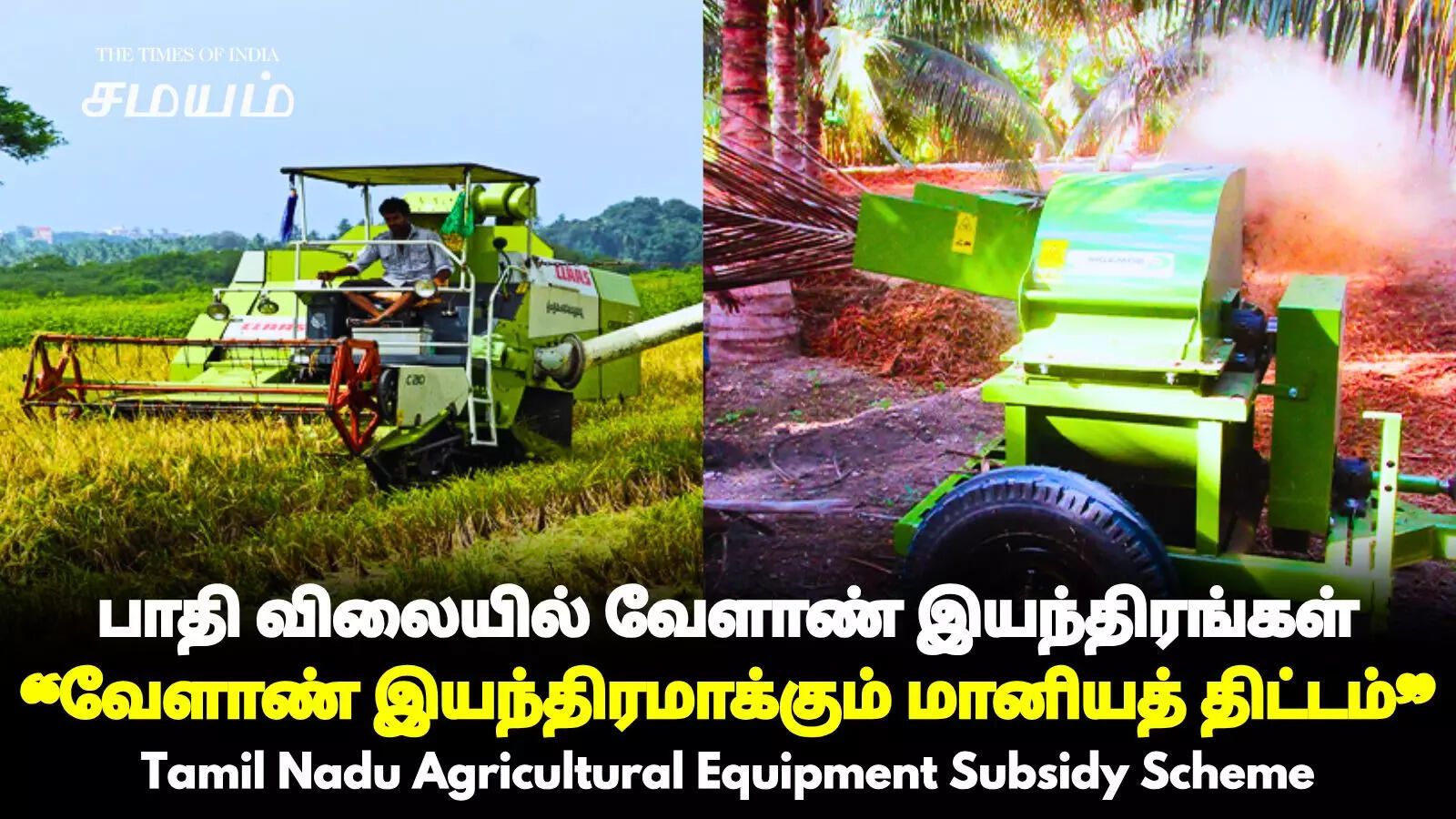
- 658 farmers received machinery subsidies
- ₹5.24 crore allocated
Mechanisation reduces operational delays. It lowers labour uncertainty. It increases cropping intensity.
For small and medium farmers, access to subsidised equipment alters cost structures without demanding unaffordable capital investment.
Such efficiency improvements may appear incremental. But over successive crop cycles, they reshape net income resilience.
Mechanisation here functioned not as technological ambition, but as cost management.
Risk Mitigation Through Crop Insurance
Agriculture remains exposed to climate and pest risk.
Data shows:
- 1,200 farmers received crop insurance assistance
- ₹81.39 lakh disbursed
Insurance changes behaviour. When downside risk is partially absorbed, farmers are more willing to invest in higher-yield strategies.
Reduced fear encourages rational planning.
Insurance support does not eliminate risk. It makes it manageable.
That shift from vulnerability to managed uncertainty strengthens long-term productivity.
Diversifying Income Through Horticulture
Traditional cropping patterns can trap farmers within low-margin cycles.
Horticulture initiatives in the district supported:
- 21,358 farmers
- ₹9.92 crore in funding
Diversification improves income elasticity. Fruits and vegetables often command stronger margins and market adaptability.
Supporting horticulture is therefore not peripheral reform. It is strategic income expansion.
By encouraging crop diversification, the district reduced dependency on singular commodity cycles.
Diversification, combined with irrigation and mechanisation, created layered resilience.
The Rural Multiplier
Agricultural stabilisation does not remain confined to fields.
When ₹123.65 crore in loans are waived, rural spending rises.
When irrigation improves yields, transport and storage demand stabilises.
When mechanisation spreads, service networks expand.
When horticulture diversifies output, market linkages strengthen.
These are multiplier effects.
Western Coimbatore’s rural economy feeds into its industrial economy. Stability in one reinforces the other.
Managing agriculture, therefore, is managing regional balance.
Leadership at the Policy–Ground Interface
Many agricultural schemes exist at state and national levels. Fewer achieve district-level cohesion.
What distinguished Western Coimbatore’s experience was the alignment between administrative authority and regional accountability.
SP Velumani functioned within both domains:
- As Minister, with influence over rural administration structures
- As MLA, accountable to the farmers directly affected
This dual positioning reduced execution friction.
Budget prioritisation, departmental coordination and beneficiary targeting operated within a single leadership arc.
Agricultural policy became less about announcement and more about sequencing.
Sharper Leadership Conclusion
The stabilisation of farmers in Western Coimbatore did not emerge from a single scheme. It emerged from layered economic design:
- Financial reset through loan waiver
- Productivity enhancement via irrigation
- Cost efficiency through mechanisation
- Risk buffering with insurance
- Income expansion through horticulture
Such sequencing reflects administrative intent, not isolated intervention.
Leadership in agriculture is often measured by immediate relief. More enduring leadership is measured by structural reinforcement.
In Western Coimbatore, the agricultural record suggests a model where regional political stewardship and ministerial authority converged to produce economic steadiness.
It is one thing to represent a constituency.
It is another to integrate its needs into state-level execution.
For the farmers of Western Coimbatore, that integration translated into reduced volatility and improved predictability.
And in agriculture, predictability is power.