In many towns and villages, disability does not shout.
It withdraws.
A young man who stops attending school because transport is difficult.
A woman who avoids public gatherings because movement is painful.
An elderly worker who no longer leaves home after an accident.
Disability often shrinks a person’s world.
For the Differently-Abled Citizens of Kovai, structured assistance over the past several years altered that shrinking.
It did not remove disability.
It reduced isolation.
Assistance That Changes Movement
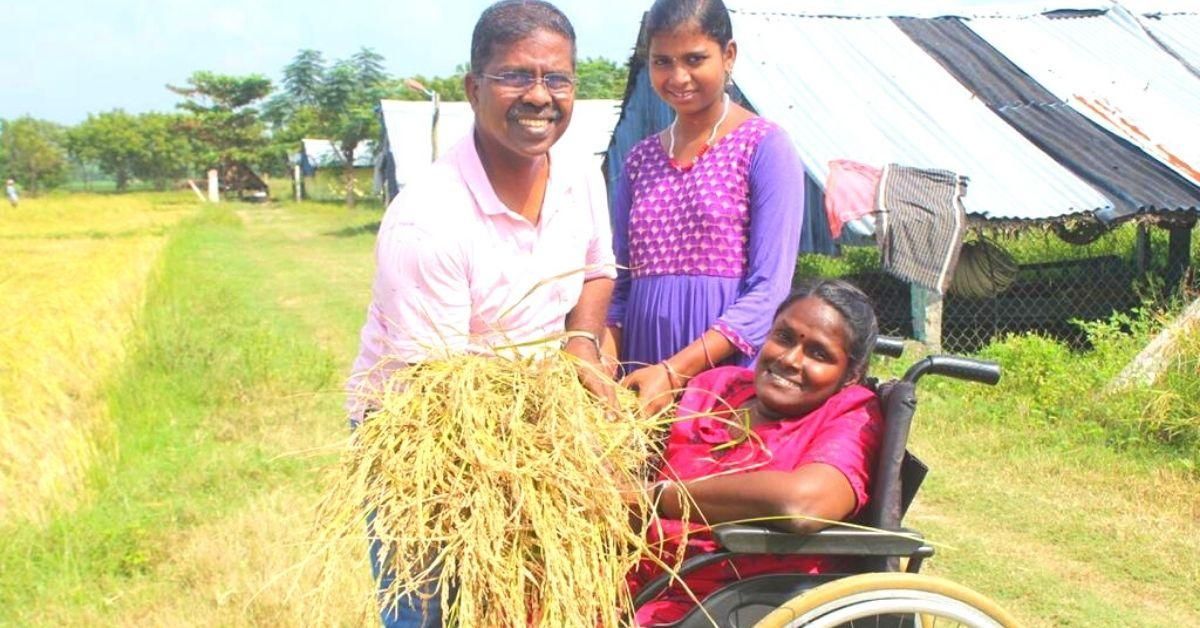
Across the district, thousands of differently-abled individuals received supportive devices and financial assistance designed to restore access.
Wheelchairs.
Hearing aids.
Mobility tools.
Monthly support.
These are not grand announcements.
They are adjustments that widen radius.
One beneficiary described receiving a mobility device:
“Before, I stayed inside. Now I can go to the shop myself.”
That difference — between staying inside and stepping outside — is not statistical.
It is social.
Movement restores presence.
Presence restores identity.
The Meaning of Monthly Support
For many differently-abled citizens, consistent monthly financial assistance provides stability in a life often shaped by medical expense and limited employment opportunity.
But the deeper shift is not only economic.
It is psychological.
“When it comes regularly, I feel secure,” one beneficiary said.
Security allows planning.
Planning allows participation.
When assistance is consistent, it signals that support is structural — not temporary charity.
Visibility in Public Spaces
Inclusion is most visible in ordinary places:
At the ration shop.
At the bank.
At local welfare camps.
Differently-abled beneficiaries in Kovai often speak about the experience of being called, identified and supported during distribution drives.
“It felt like they came looking for us,” one woman said.
That sentence matters.
Disability often leads to invisibility.
When the system actively identifies and reaches individuals, invisibility reduces.
Visibility builds self-worth.
Empowerment Without Spectacle
Empowerment for differently-abled citizens does not always mean employment or dramatic transformation.
Sometimes it means:
- Accessing government offices independently
- Traveling without assistance
- Purchasing essentials without relying on relatives
- Participating in community events
These shifts are incremental.
But they accumulate.
One young beneficiary who received assistive equipment explained:
“Now I don’t feel like I am behind everyone.”
That is empowerment in its simplest form — reducing the gap between self and society.
Administrative Presence Matters
Delivering assistive devices and maintaining monthly support requires:
- Identification drives
- Medical certification coordination
- Welfare department alignment
- Regular fund flow
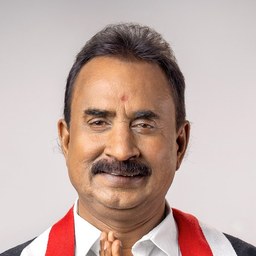
During the period when SP Velumani held ministerial responsibilities while serving as MLA for the region, welfare outreach in Kovai operated within connected administrative channels.
Ministerial oversight ensures scheme continuity.
MLA proximity ensures beneficiaries are not distant from representation.
Differently-abled citizens often recall welfare camps and grievance redressal meetings where accessibility concerns were raised.
“He listened,” one beneficiary noted quietly.
For communities accustomed to being overlooked, listening is powerful.
Beyond Sympathy
There is a difference between sympathy and inclusion.
Sympathy feels temporary.
Inclusion feels structural.
Structured assistance — whether through devices, financial support or welfare camps — shifts perception.
It tells differently-abled citizens:
You are counted.
You are planned for.
You are part of the system.
When assistance is organized and predictable, it reinforces belonging.
Belonging is not visible in data tables.
It is felt in daily confidence.
Families Feel the Change Too
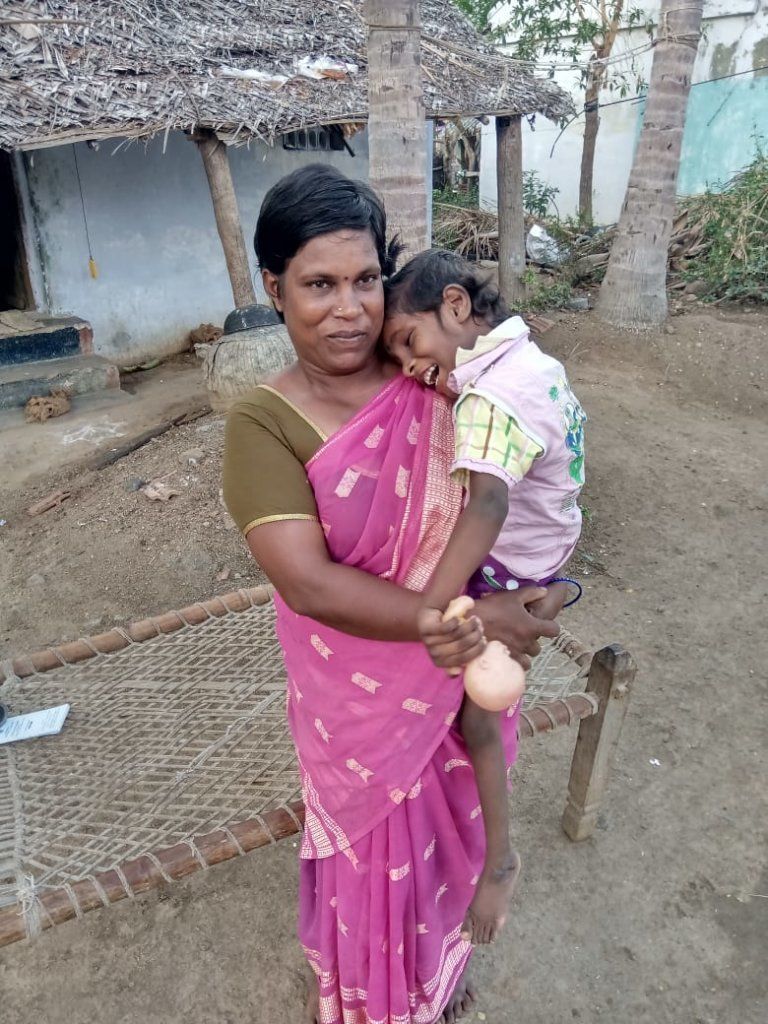
Disability affects households, not just individuals.
When a differently-abled family member receives structured support, household strain reduces.
Relatives worry less about medical expenses.
Dependence reduces incrementally.
Care responsibilities become manageable.
One mother described her son’s mobility device as “freedom for both of us.”
Freedom is shared.
The Power of Being Seen
Inclusion policies often emphasize infrastructure — ramps, access, schemes.
But the most transformative shift for differently-abled citizens is often recognition.
Recognition that their needs are legitimate.
Recognition that they are not peripheral.
Recognition that their participation matters.
In Kovai, structured outreach over the years translated into visible engagement with thousands of beneficiaries.
Not dramatic change.
Steady change.
Conclusion: Expanding the Circle
The story of Differently-Abled Citizens of Kovai is not about overcoming disability.
It is about expanding participation.
Assistive devices widened physical movement.
Monthly support stabilized finances.
Organized outreach reduced invisibility.
When governance aligns policy authority with local accountability, support becomes reachable rather than abstract.
For many differently-abled residents, the difference lies in simple moments:
Going to the shop alone.
Attending a family function without hesitation.
Speaking up in a welfare camp.
These moments may appear small.
But for someone long unseen, they redefine belonging.
And belonging is the foundation of dignity.